


 中文简体
中文简体Cuardaigh le Poist
Féilire
Catagóirí Táirgí
Tús an tionscail
 Ag admin
Cén dá chineál meilte uillinn atá againn?
Tá dhá chatagóir ar leith d'uirlisí scríobacha boise chun tosaigh i dtírdhreach na miotalóireachta agus na tógála tionsclaíochta nua-aimseartha, a shainítear go príomha ag a modh comhshó fuinnimh. Tá an dá chineál seo meilte uillinn aeroibrithe agus meilte uillinn leictreacha. Cé go bhfreastalaíonn an dá uirlis ar an mbunchuspóir maidir le diosca scríobach a rothlú ag luas ard chun ábhair éagsúla a mheilt, a ghearradh nó a snasú, tá difríocht shuntasach idir a meicníochtaí inmheánacha agus a riachtanais chumhachta. Díríonn an treoir seo ar an éagsúlacht aeroibrithe, ag iniúchadh conas a sholáthraíonn teicneolaíocht aer comhbhrúite sraith uathúil buntáistí a idirdhealaíonn é ó na samhlacha leictreacha níos coitianta a fhaightear i dtimpeallachtaí tráchtála baile agus éadroma. Trí bhunsraitheanna meicniúla an dá chóras seo a thuiscint, is féidir le hoibreoirí tionsclaíocha cinntí eolasacha a dhéanamh a théann i bhfeidhm ar tháirgiúlacht, sábháilteacht oibrithe agus fad saoil trealaimh.
Idirdhealú a dhéanamh idir Foinsí Cumhachta Aeroibrithe agus Leictreacha
Tá an príomh-idirdhealú idir an dá chineál meilte uillinne san ailtireacht mhótair agus foinse fuinnimh cinéiteach. Úsáideann meilteoirí uillinneacha leictreacha sraith tochráin copair, scuaba, agus cómhalartán chun sruth leictreach a thiontú ina fhórsa rothlach. Tá an dearadh seo an-inrochtana toisc nach dteastaíonn ach asraon cumhachta caighdeánach nó pacáiste ceallraí luchtaithe chun oibriú. Mar sin féin, tugann láithreacht comhpháirteanna leictreacha laistigh den tithíocht uirlisí teorainneacha áirithe isteach maidir le meáchan, giniúint teasa, agus sábháilteacht i dtimpeallachtaí so-ghalaithe. Toisc go ngineann mótair leictreacha teas inmheánach trí fhriotaíocht sna sreanga copair, is minic a éilíonn siad lucht leanúna fuaraithe a tharraingíonn aer comhthimpeallach, ar féidir leo deannach miotalach agus ábhar salaithe a tharraingt isteach freisin a dhíghrádaíonn an mótar.
I gcodarsnacht leis sin, meilte uillinn aeroibrithe ag brath ar shruth aer comhbhrúite chun mótar eite a thiomáint. Córas meicniúil iomlán atá sa chóras seo agus níl ciorcadra leictreach i gceist leis laistigh den uirlis féin. Is gnách go soláthraítear an t-aer trí chomhbhrúiteoir tionsclaíoch mór agus seachadtar é trí phíobán athneartaithe. Ligeann an difríocht bhunúsach seo i seachadadh cumhachta do mheilteoirí aeroibrithe cóimheas cumhachta go meáchain i bhfad níos airde a choinneáil. Toisc nach dteastaíonn foirceannadh copair throm nó cadhnraí inmheánacha uathu, tá siad i bhfad níos éadroime agus níos dlúithe ná samhlacha leictreacha de chumhacht inchomparáide. Tá an buntáiste fisiceach seo le sonrú go háirithe le linn sealanna fada i longchlóis nó i siopaí monaraíochta áit a bhfuil tuirse oibreoirí mar phríomhfhachtóir i sábháilteacht agus cáilíocht oibre araon.
Ina theannta sin, is minic a chinneann an timpeallacht oibriúcháin an rogha idir an dá chineál seo. Is fearr go ginearálta uirlisí leictreacha le haghaidh suíomhanna poist iargúlta nuair nach bhfuil comhbhrúiteoir ar fáil, agus is uirlisí aeroibrithe an caighdeán in áiseanna seasta tionsclaíocha. Toisc nach bhfuil comhpháirteanna leictreacha i meilteoirí aeroibrithe ann, is iad an rogha is fearr le haghaidh feidhmeanna a bhaineann le huisce nó le gáis inadhainte. I dtimpeallacht fhliuch mheilt nó i saoráid a phróiseálann ceimiceáin so-ghalaithe, tá riosca gearrchiorcaid nó spréach ag baint le huirlis leictreach, ach fanann uirlis neomatach sábháilte go bunúsach toisc nach gineann sí aon sceitheadh leictreach le linn oibriú.
Fondúireachtaí Innealtóireachta Meilte Uillinn Aeroibrithe
Chun a thuiscint cén fáth go bhfuil bail ar fónamh orthu le meilte aeroibrithe i dtionscal trom, ní mór scrúdú a dhéanamh ar mheicnic inmheánacha an mhótair aeir. Tá na mótair seo thar a bheith simplí ina ndearadh ach teastaíonn innealtóireacht bheacht uathu chun feidhmiú go héifeachtach. Is é croílár grinder aeroibrithe an rotor, atá suite ar fhritháireamh laistigh de sheomra sorcóireach. Tá roinnt sliotán fadaimseartha sa rótar seo ina bhfuil eití sleamhnáin, a dhéantar go hiondúil as ábhair chomhchodacha ard-neart nó as plaistigh threisithe. De réir mar a théann aer comhbhrúite isteach sa seomra, cuireann sé brú ar na eití seo, rud a chuireann iallach orthu sleamhnú amach agus an t-aer a ghabháil. Cruthaíonn an brú seo an chasmhóimint rothlach a theastaíonn chun an fhearsaid aschuir a chasadh.
Dinimic Mótair Aeir agus Tiontú Fuinnimh Cinéiteach
Tá éifeachtacht mótair aeroibrithe mar thoradh ar leathnú tapa an aeir laistigh den tithíocht. De réir mar a aistríonn an t-aer comhbhrúite ón ionraon ardbhrú go dtí an sceite brú íochtair, leathnaíonn sé agus brúnn sé i gcoinne na eite le fórsa ollmhór. Is éard atá sa phróiseas seo ná fuarú ó dhúchas, rud atá ina bhuntáiste suntasach thar mhótair leictreacha a éiríonn níos teo de réir mar a oibríonn siad níos déine. Éiríonn meilteoir aeroibrithe fuar go díreach le linn úsáide sínte toisc go n-ionsúnn an t-aer méadaitheach teas ón timpeallacht máguaird. Ligeann an tréith theirmeach seo d’uirlisí aeroibrithe rith ag céad faoin gcéad timthriallta dleachta gan an baol múchadh teirmeach nó dóite mótair, ar choinníoll go bhfuil an soláthar aeir glan agus lubricated i gceart.
Tá difríocht bhunúsach freisin idir seachadadh chasmhóiminte córais aeroibrithe agus seachadadh mótar leictreach. Nuair a bhíonn grinder leictreach faoi ualach trom, tarraingíonn an mótar níos mó srutha chun luas a choinneáil, rud a d'fhéadfadh róthéamh a bheith mar thoradh air má chothaítear an t-ualach. Ní dhéanfaidh mótar aeir ach moilliú nó staonadh má sháraíonn an fhriotaíocht a acmhainn chasmhóiminte. Cé nach bhfuil an stalla oiriúnach, ní dhéanann sé damáiste do chomhpháirteanna inmheánacha uirlis aeroibrithe ar an mbealach céanna is féidir le stalla foirceannadh mótair leictreacha a dhó. Nuair a laghdaítear an t-ualach, filleann an mótar aeroibrithe láithreach ar a luas oibriúcháin gan aon strus teirmeach iarmharach.
Ról na nGobharnóirí agus Rialáil Luais
Tá sé ríthábhachtach luas rothlach comhsheasmhach a choinneáil ar mhaithe le sábháilteacht agus éifeachtúlacht uirlis scríobach. Tá meilte uillinn aeroibrithe ardchaighdeáin feistithe le rialtóirí inmheánacha a rialaíonn sreabhadh an aeir bunaithe ar an ualach. Nuair a bhíonn an uirlis ag rith go saor, cuireann an rialtóir srian ar an sreabhadh aer chun an diosca a chosc ó ró-luas, rud a d'fhéadfadh teip tubaisteach a bheith mar thoradh ar an ábhar scríobach. Nuair a chuireann an t-oibreoir brú ar an bpíosa oibre, osclaíonn an rialtóir chun níos mó aeir a ligean isteach sa mhótar, ag soláthar an chasmhóiminte riachtanach chun an luas meilt a choinneáil.
Cinntíonn an rialachán meicniúil seo go n-oibríonn an uirlis laistigh dá paraiméadair deartha sábháilte i gcónaí. De ghnáth is meicníocht lártheifeacha é an rialtóir a imoibríonn ar an toirt d'athruithe i RPM. Is cúis amháin é an t-am freagartha tapa seo gur fearr le déantúsóirí gairmiúla uirlisí aeir le haghaidh obair bheachtais. Mothaíonn an uirlis níos freagraí don teagmháil, agus fanann an luas níos cobhsaí ar fud brúnna éagsúla i gcomparáid le go leor meilte leictreacha leibhéal iontrála a bhíonn ag brath ar rialtóirí luais leictreonacha ar féidir leo a bheith moille nó teipthe uaireanta faoi thrasnaíocht thionsclaíoch throm.
Comparáid a dhéanamh idir Córais Aeroibrithe agus Leictreacha
Is éard atá i gceist leis an gcinneadh córais aeroibrithe nó leictreacha a chur chun feidhme trasna saoráide anailís chúramach ar na comhbhabhtálacha idir costais bhonneagair agus éifeachtúlacht oibriúcháin fhadtéarmach. Cé go bhfuil costas socraithe tosaigh níos ísle ag uirlisí leictreacha, is minic a bhíonn uirlisí aeroibrithe níos éifeachtaí ó thaobh costais de i dtimpeallachtaí táirgthe ar scála mór mar gheall ar a gcuid riachtanas marthanachta agus cothabhála níos ísle.
| Catagóir Gné | Meilte Uillinn Aeroibrithe | Meilte Uillinn Leictreach |
|---|---|---|
| Timpeallacht Oibriúcháin | An-oiriúnach d'atmaisféar fliuch, deannaigh nó pléascach | Is fearr le haghaidh timpeallachtaí tirim, glan agus neamh-luaineacha |
| Cumas Rothaíochta Dualgais | Oibriú leanúnach gan riosca róthéamh | Úsáid eatramhach ag teastáil chun damáiste mótair teirmeach a chosc |
| Meáchan agus Eirgeanamaíocht | Laghdaíonn dearadh éadrom tuirse oibreora le himeacht ama | Níos troime de bharr foirceannadh copair agus comhpháirteanna ceallraí |
| Próifíl Sábháilteachta | Riosca íseal turrainge leictreach nó spréach le linn úsáide | Teastaíonn cosaint locht talún agus bainistiú cúramach corda |
| Castacht Cothabhála | Comhpháirteanna meicniúla simplí a dteastaíonn oiliú rialta uathu | Páirteanna leictreacha casta óna dteastaíonn deisiúcháin scuab agus corda |
| Riachtanais Bhonneagair | Éilíonn comhbhrúiteoir tionsclaíoch agus dáileadh aeir | Teastaíonn asraonta caighdeánacha leictreacha nó stáisiúin luchtaithe |
Sláine Struchtúrtha agus Roghnú Ábhar i Meilte Aeir
Toisc go bhfuil meilte uillinn aeroibrithe beartaithe le húsáid sna suíomhanna tionsclaíocha is déine, ní mór a n-ábhar seachtrach agus inmheánach a roghnú le haghaidh athléimneacht uasta. De ghnáth déantar tithíocht grinder aeir gairmiúil a thógáil ó chóimhiotail alúmanaim ardghrád nó cruach athneartaithe. Roghnaítear na hábhair seo mar gheall ar a gcumas na tionchair throma agus na scríobaigh atá coitianta i dteilgcheártaí, longchlóis agus láithreáin tógála a sheasamh. Soláthraíonn clúdaigh alúmanaim cothromaíocht mhaith ó thaobh neart agus meáchan a laghdú, agus úsáidtear clúdaigh chruach do na feidhmeanna tromshaothair is déine nuair is féidir an uirlis a ligean ar choincréit nó a bheith faoi réir creathadh trom.
Is minic a dhéantar na comhpháirteanna inmheánacha, go háirithe an rotor agus an sorcóir, as cruach cruaite a bhfuil talamh beachtas déanta aige go dtí lamháltais thar a bheith daingean. Toisc go mbraitheann éifeachtacht an mhótair ar an séala idir na vanes agus na ballaí sorcóra, beidh laghdú ar fheidhmíocht mar thoradh ar aon chaitheamh nó diall sna codanna seo. Chun é seo a chosc, cuireann go leor déantúsóirí bratuithe speisialaithe i bhfeidhm ar na dromchlaí inmheánacha chun cuimilte a laghdú agus friotaíocht caitheamh a fheabhsú. Cinntíonn an aird seo ar eolaíocht ábhair gur féidir le grinder aeroibrithe oibriú ar feadh na mílte uair an chloig sula n-éilíonn sé atógáil, a bhfuil saol seirbhíse i bhfad níos faide ná an chuid is mó de na meilte leictreacha tionsclaíocha.
Is fachtóir eile é diomailt teasa ina bhfuil ról ag roghnú ábhair. Cé go bhfuaraíonn leathnú an aeir an uirlis, gineann cuimilte na ngiaranna agus na n-imthacaí fós roinnt teasa. Feidhmíonn tithíocht mhiotalacha an uirlis aeroibrithe mar doirteal teasa, ag aistriú go tapa aon teas a ghintear cuimilte ar shiúl ó na comhpháirteanna inmheánacha. Tá an bhainistíocht theirmeach seo i bhfad níos éifeachtaí ná na cásanna plaisteacha a fhaightear ar fhormhór na n-uirlisí leictreacha, a mbíonn claonadh acu teas a ghabháil agus a chuireann le díghrádú inslithe an mhótair le himeacht ama.
Feidhmchláir Speisialaithe i dTionscal Trom
Mar gheall ar airíonna fisiceacha uathúla meilte uillinne aeir tá siad fíor-riachtanach i go leor réimsí speisialaithe nach féidir le huirlisí leictreacha feidhmiú go héifeachtach. Tá raon feidhme na bhfeidhmchlár seo ó tharrtháil faoi uisce go timpeallacht ardchruinneas na déantúsaíochta aeraspáis.
Innealtóireacht Mhuirí agus Úsáid Faoi Uisce
Ceann de na hiarratais is suntasaí ar uirlisí aeroibrithe ná innealtóireacht mhara agus deisiú faoi uisce. Toisc nach n-úsáideann uirlisí aeir leictreachas, is féidir iad a mhodhnú le húsáid ag tumadóirí a dhéanann cothabháil ar chabhlacha long nó ar ardáin ola amach ón gcósta. Is féidir le grinder aeroibrithe speisialaithe oibriú go hiomlán báite san uisce farraige, agus an t-aer sceite á aeráil go dtí an dromchla nó go díreach isteach san uisce mórthimpeall. Bheadh sé seo dodhéanta le huirlis leictreach, a ghearrfadh ciorcad láithreach agus a chuirfeadh riosca marfach don oibreoir. Cuidíonn brú dearfach leanúnach an aeir taobh istigh den uirlis freisin chun uisce a chosc ó dhul isteach sa mhótar, ag cinntiú go bhfanann na comhpháirteanna inmheánacha cosanta fiú i dtimpeallacht ardbhrú domhain farraige.
Déantúsaíocht Mhiotail Bheachtais agus Obair Teilgcheárta
I dteilgcheártaí agus i siopaí déantúsaíochta miotail ar scála mór, is minic a líontar an t-aer le deannach mín mhiotalacha atá scríobach agus seoltaí leictreach araon. Sna timpeallachtaí seo, tá uirlisí leictreacha faoi mhíbhuntáiste mór. Is féidir le deannach seoltaí socrú ar na cláir chiorcaid agus foirceannadh mótair uirlis leictreach, rud a fhágann teip roimh am nó fiú dóiteáin. Tá uirlisí aeroibrithe, atá séalaithe agus aer-tiomáinte, díolmhaithe ó na saincheisteanna seo. Cuidíonn an t-aer sceite ón uirlis freisin le deannach a shéideadh ón limistéar oibre, rud a thugann léargas níos soiléire don oibreoir ar an dromchla meilt.
Ina theannta sin, tá an chasmhóimint ard ar luasanna ísle is féidir le meilteoirí aeroibrithe a sholáthar riachtanach chun ábhar trom a bhaint. Nuair a mheilt táthaithe móra ar chruach struchtúrach, is minic go gcaithfidh an t-oibreoir fórsa suntasach a chur i bhfeidhm. Ligeann cumas an mhótair aeroibrithe a chasmhóimint a choinneáil gan é a dhó amach go bhféadfaí ábhar a bhaint níos tapúla agus sreabhadh oibre níos éifeachtaí. Déantar an chumhacht seo a sheachadadh trí chomhlacht uirlisí i bhfad níos lú, rud a ligeann don oibreoir dul isteach i gcoirnéil daingean agus céimseata casta nach mbeadh inrochtana le grinder leictreach toirtiúil.
Timthriallta Cothabhála agus Riachtanais Bhonneagair
Cé go bhfuil meilte uillinne aeroibrithe thar a bheith buan, braitheann a bhfeidhmíocht go mór ar cháilíocht an chórais soláthair aeir. Murab ionann agus uirlis leictreach nach dteastaíonn ach voltas cobhsaí, éilíonn uirlis aeroibrithe toirt comhsheasmhach aer glan, tirim agus lubricated. Éilíonn sé seo bonneagar níos casta, lena n-áirítear comhbhrúiteoirí, triomadóirí, agus córais scagacháin.
Córais Scagtha Aeir Chomhbhrúite agus Bealaithe
Is é an namhaid is mó d'uirlis aeroibrithe ná taise san aerlíne. Nuair a bhíonn aer comhbhrúite, comhdhlúthaíonn an taise san aer isteach in uisce leachtach. Má shroicheann an t-uisce seo an uirlis, féadfaidh sé na bealaí inmheánacha a nigh ar shiúl agus na comhpháirteanna cruach a mheirgeadh. Chun é seo a chosc, ní mór go n-áireofaí i gcórais aeir thionsclaíoch triomadóirí cuisnithe nó triomadóirí a bhaintear taise sula dtéann an t-aer isteach sa líonra dáileacháin. Ina theannta sin, tá gá le scagairí cáithníneacha chun aon meirge nó scála a d'fhéadfadh briseadh scaoilte ón taobh istigh de na píopaí aeir a ghabháil.
Is é lubrication an dara fachtóir ríthábhachtach maidir le cothabháil aeroibrithe. Toisc go sleamhnaíonn na veaineanna i gcoinne ballaí an tsorcóra ag luas ard, éilíonn siad scannán leanúnach ola chun cuimilte agus caitheamh a chosc. Baintear é seo amach go hiondúil trí lubricator inlíne a instealladh ceo mín ola isteach sa sruth aeir díreach sula sroicheann sé an uirlis. De rogha air sin, is féidir le hoibreoirí cúpla braon d’ola uirlisí aeir speisialaithe a chur leis an inlet aeir ag tús gach sealaithe de láimh. Rithfidh meilire aeroibrithe atá bealaithe i gceart níos míne, fanfaidh sé níos fuaire, agus mairfidh sé blianta fada níos faide ná an ceann a reáchtáiltear tirim.
Inscálaitheacht an Chórais agus Éifeachtúlacht Fadtéarmach
Maidir le saoráid a úsáideann mórán meilte ag an am céanna, tá buntáistí suntasacha éifeachtúlachta ag baint le nádúr láraithe córais aeroibrithe. Tá comhbhrúiteoir tionsclaíoch mór amháin i bhfad níos éifeachtaí chun fuinneamh a thiontú ná mórán de mhótair leictreacha beaga. Ina theannta sin, tá cothabháil comhbhrúiteora aonair níos simplí ná deisiú aonair cabhlach mór uirlisí leictreacha. Toisc nach bhfuil ach an oiread sin páirteanna gluaisteacha ag na meilteoirí aeroibrithe féin, is éard atá i gceist leis na deisiúcháin is coitianta ná na eite nó na imthacaí a athsholáthar, rud is féidir le foireann cothabhála intí a dhéanamh go tapa agus go saor.
Is fachtóir eile i gcostas fadtéarmach é marthanacht na píobáin aeir i gcomparáid le cordaí leictreacha. Is féidir cordaí leictreacha a ghearradh, a bhriseadh nó a leá i dtimpeallacht déantúsaíochta, rud a chruthaíonn guaiseacha sábháilteachta agus go dteastaíonn athsholáthar go minic orthu. Tá píobáin aeir threisithe i bhfad níos garbh agus is féidir leo seasamh in airde nó iad a tharraingt trasna imill mhiotail ghéar gan cur isteach ar an soláthar cumhachta. Laghdaíonn an athléimneacht struchtúrach seo aga neamhfhónaimh agus cinntíonn sé gur féidir leis an bhfórsa saothair a bheith táirgiúil gan stad i gcónaí chun línte cumhachta damáiste a dheisiú.
Eirgeanamaíocht agus Sláinte Oibreora
I ndéantúsaíocht nua-aimseartha, tá sláinte agus sábháilteacht an oibreora díreach chomh tábhachtach le luas an táirgthe. Cuireann meilteoirí uillinn aeroibrithe le timpeallacht oibre níos sláintiúla trína ndearadh eirgeanamaíochta níos fearr agus a saintréithe taise creathadh.
Is é meáchan laghdaithe grinder aeroibrithe an tairbhe eirgeanamaíochta is láithrí. Laghdaítear go mór an brú ar chaol na láimhe, ar airm agus ar ghuaillí an oibreora má shealbhaítear uirlis a bhfuil meáchan cúpla punt níos lú ná a choibhéis leictreach. Cuidíonn an laghdú seo ar an ualach fisiceach le gortuithe athchleachtacha brú agus neamhoird mhatánchnámharlaigh fadtéarmacha a chosc. Ina theannta sin, déantar go leor meilteoirí aeroibrithe ardleibhéil a dhearadh le clúdaigh ilchodacha a mhaolaíonn na creathadh ardmhinicíochta a ghineann an próiseas meilt. Is féidir le riocht ar a dtugtar siondróm creathadh lámh-lámh a bheith mar thoradh ar chreathadh iomarcach, rud a fhágann fadhbanna numbness agus imshruthaithe sna méara. Trí leas a bhaint as ábhair mhaolaithe chun cinn agus rótair bheachta-chothromaithe, laghdaítear an riosca seo le huirlisí aeroibrithe, rud a ligeann d’oibreoirí oibriú go sábháilte ar feadh tréimhsí níos faide.
Tá leibhéil torainn le breithniú freisin i siopa gnóthach. Cé go dtáirgeann uirlisí aeroibrithe fuaim ard-chlaonta sainiúil ón aer sceite, tá go leor samhlacha nua-aimseartha feistithe le córais muffling a laghdaíonn an leibhéal deicibeil go suntasach. Is minic nach mbíonn fuaim uirlis aeir níos lú ramhar ná an fhuaim mheicniúil agus an lucht leanúna fuaraithe de mhótar leictreach. Nuair a dhéantar é a chomhcheangal le cosaint éisteachta chuí, is minic go mbíonn próifíl fhuaimiúil spás oibre neomatach níos soláimhsithe ná ceann a bhfuil minicíochtaí éagsúla na n-ilmhótair leictreacha a ritheann ar luasanna difriúla i gceannas air.
Táirgí Molta
-
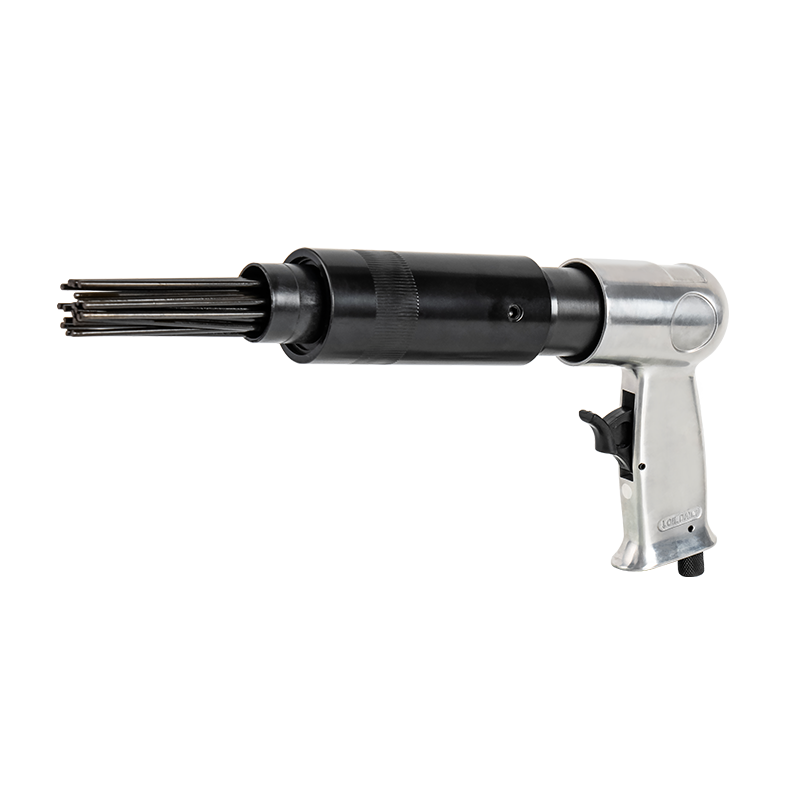
RH-464 SCALER Snáthaid Cúinne Aeroibrithe
-
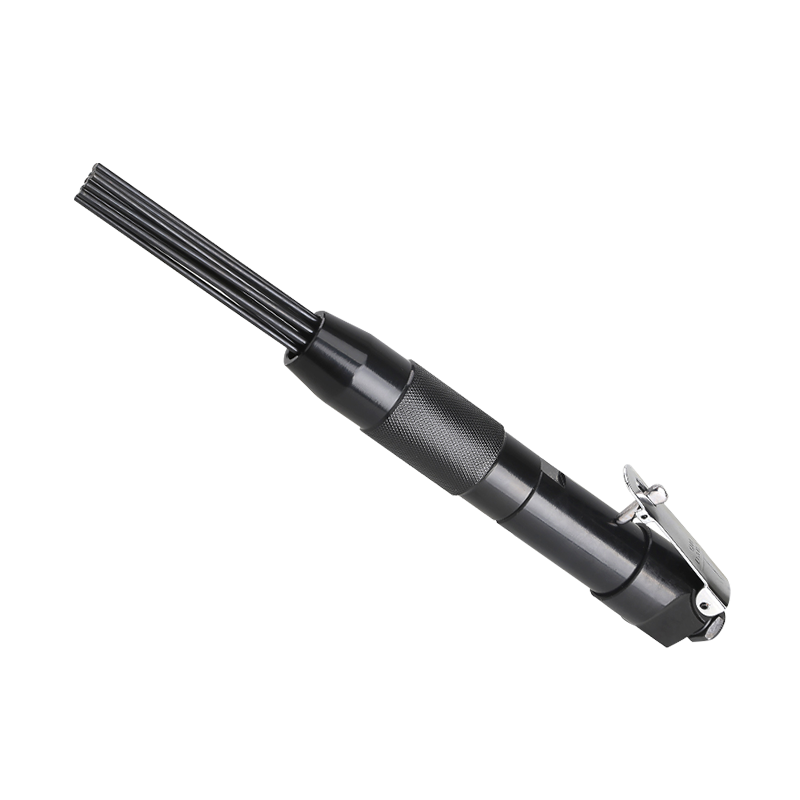
R-460 Mini Scaler Snáthaid Aeir Aeroibrithe Dlúth Dlúth
-
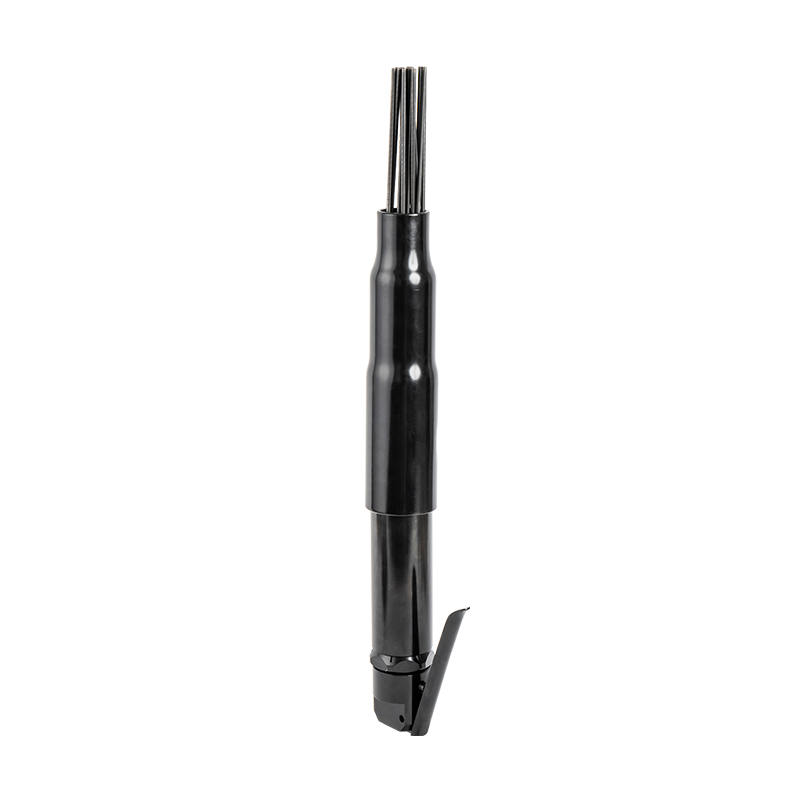
RH-462 Scaler Snáthaid Thionsclaíoch Iniompartha
-
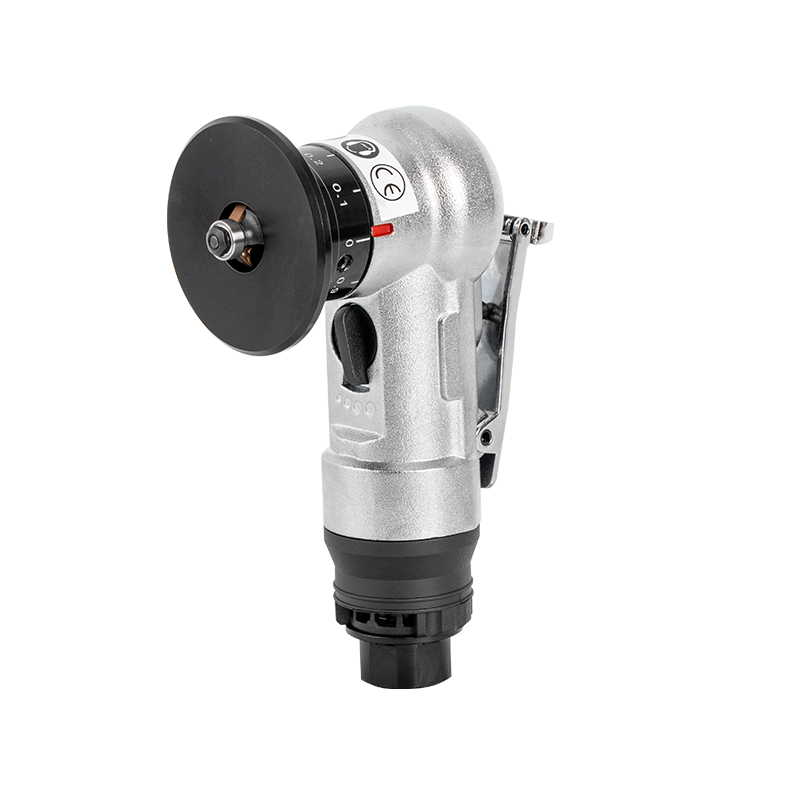
RH-7034C Meaisín Chamfering Aeir aeir iniompartha
-
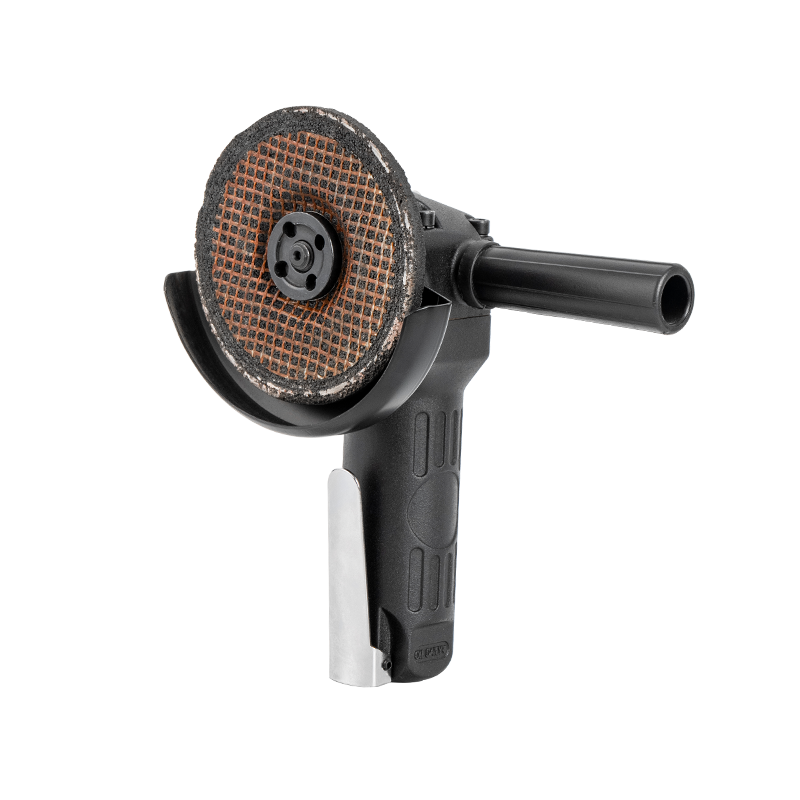
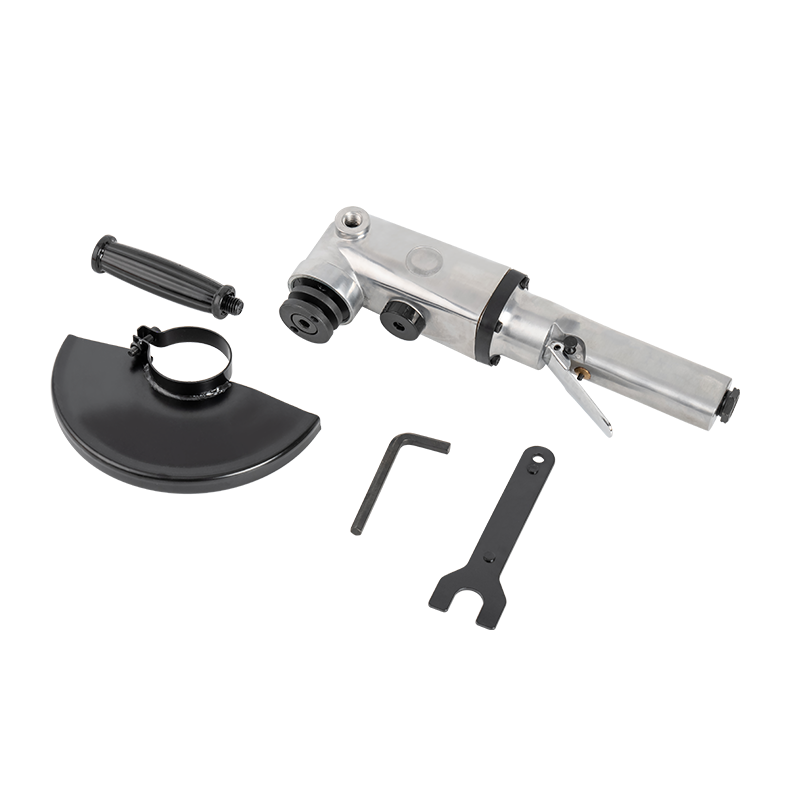
RH-7034B Lárnach Aeir 4 "Grinder uillinn aeir
-
RH-7034D 7 "Grinder Uillinn Láimhe
-
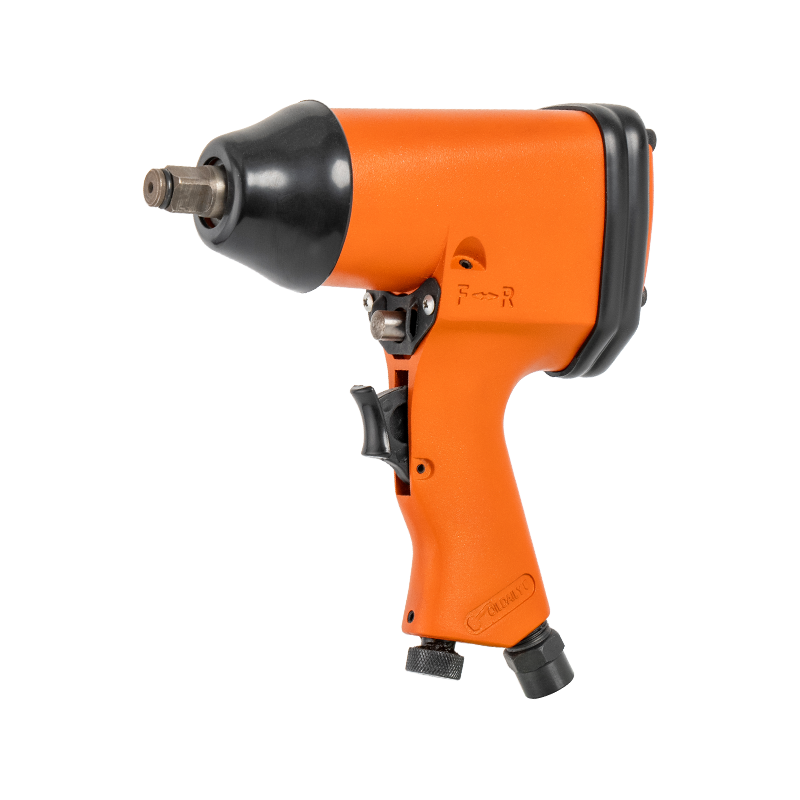
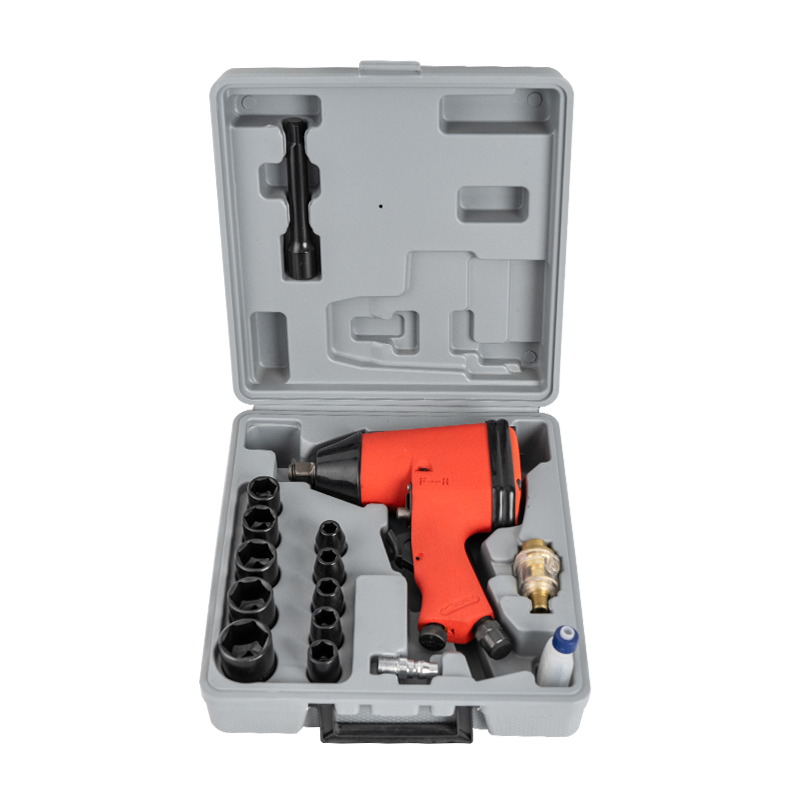
RH-160 1/2 "Tiomántán Tionchair Aeroibrithe Aeir Aeir Aeir Aonair Aonair Aonair
-
RH-160K trealamh eochair athluchtaithe aeir athluchtaithe gan sreang gan sreang
-
RH-112 1/2 "Uirlis Láimhe Láimhe Electe Leictreach Uilíoch Uilíoch
-
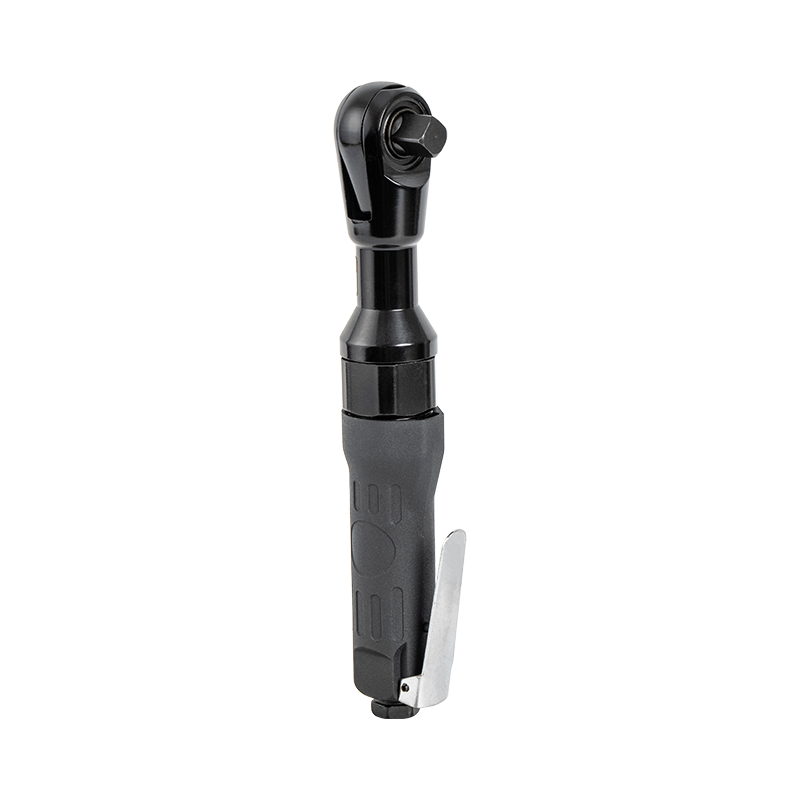
RH-128 1/2 "TREOIR RATCHET LICIAN TORTS ard
-
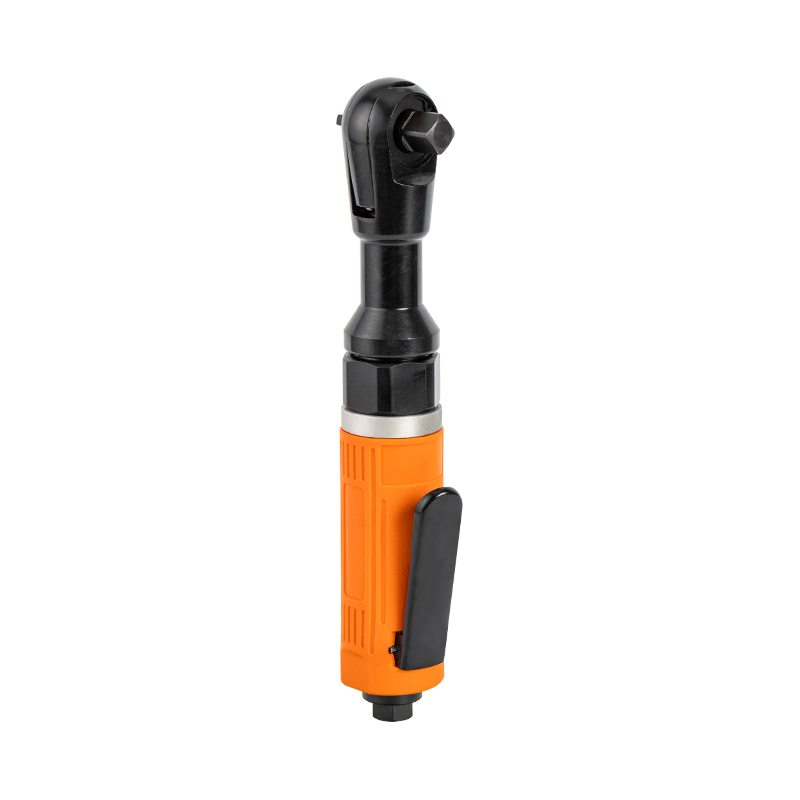
RH-138 3/8 "TRENCE RATCHET LIXITLE LICIANTA INSTITELLED CEANN FAD
-
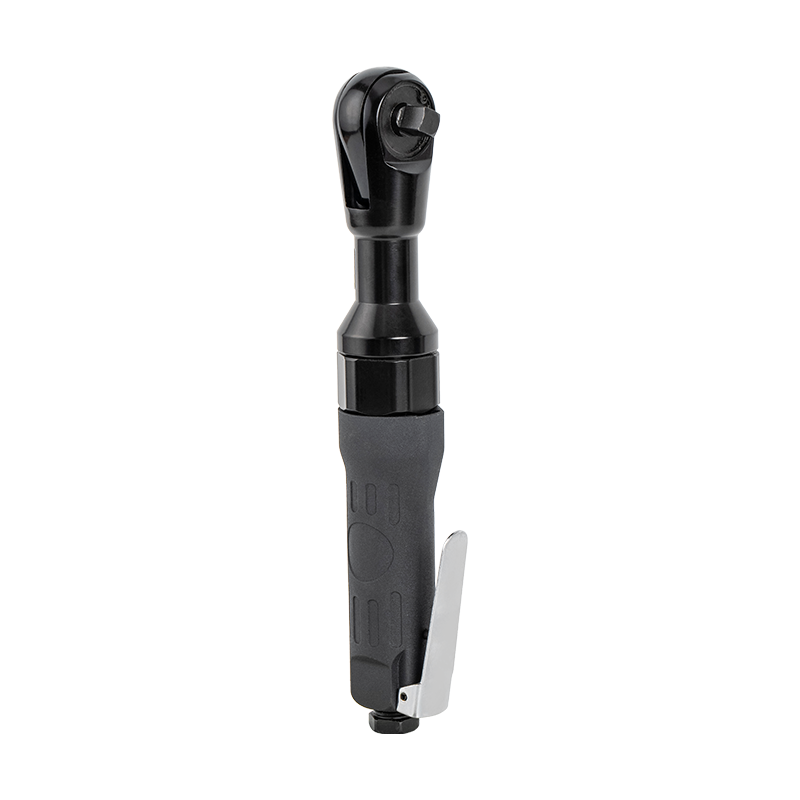
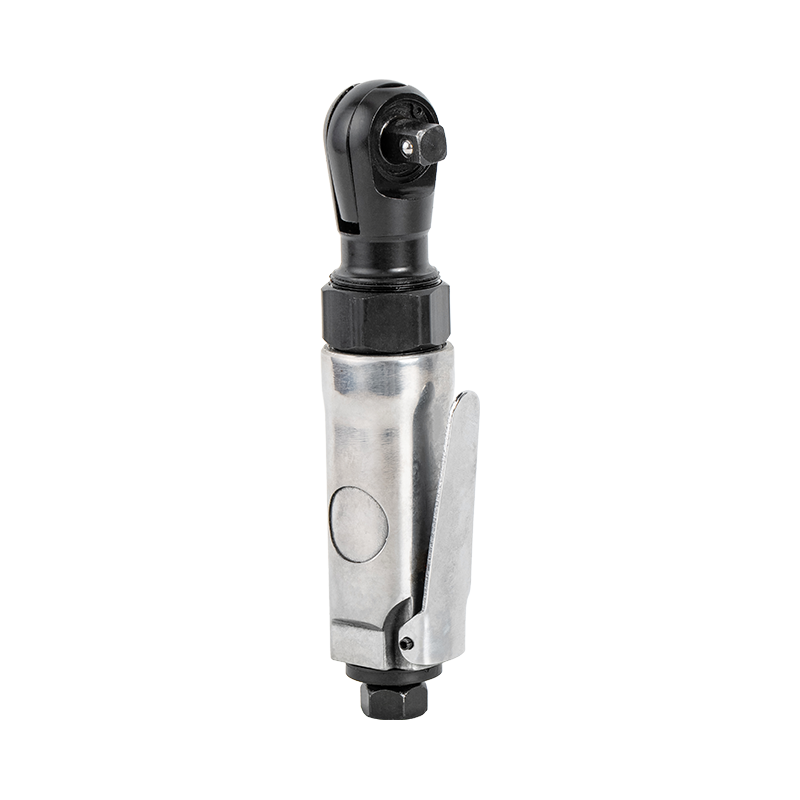
RH-148 1/4 "TREOIR RATCHET LICTIÚRTHA
Déan teagmháil lenár saineolaithe
Agus faigh comhairliúchán saor in aisce!
Ningbo Haishu Renhao Pneumatic Co., Ltd.
 Seoladh: Dúiche Jiangbei City Ningbo City i gCúige Zhejiang ag Foirgneamh Pháirc Thionsclaíoch Keli 15ú 15ú
 Fón: +86-139 0668 0779
 Teil: +86-139 0668 0779
 Facs: +86-139 0668 0779
 R-phost: [email protected]


